 Back to News & Articles

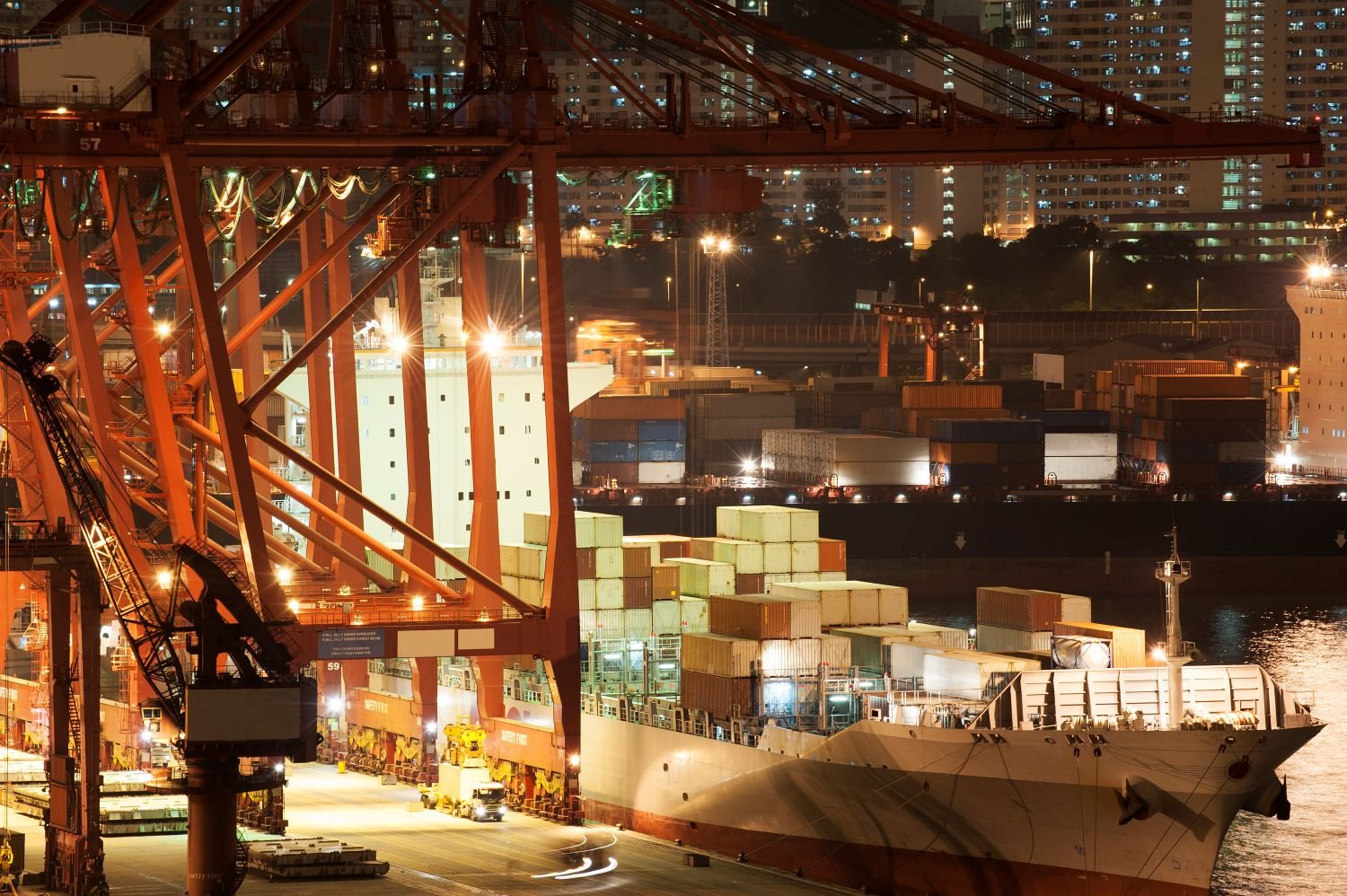
Port congestion continues to challenge global supply chains, causing delays, capacity constraints, and added costs across trade lanes. For importers and exporters, understanding these ripple effects is key to building more resilient logistics strategies.
In this Q&A, Tanya Casey, Regional Procurement Manager, South Asia Pacific at Vanguard Logistics, shares her insights on how businesses can mitigate the impact of port congestion and keep cargo moving through today’s complex global supply chains.
Q. How does port congestion affect importers and exporters?
Port congestion disrupts the flow of goods at every stage of the international supply chain, affecting all stakeholders. A delay at one port can ripple across entire networks, impacting schedules, capacity, and cost structures far beyond the initial bottleneck.
For importers, congestion means delayed arrivals, unpredictable inventory cycles, and higher downstream costs. For exporters, it creates bottlenecks at origin, reduced equipment availability, and missed vessel cut‑offs.
Q. What additional costs can port congestion create for businesses?
Port congestion introduces a wide range of direct and indirect costs that can quickly accumulate across the supply chain. As vessels queue, terminals reach capacity, and schedules slip, businesses face financial pressure not only from carriers and ports but also from inland logistics providers. These costs vary by trade lane and the severity of congestion, but the pattern is consistent worldwide: delays translate into higher operating spend and reduced margin protection.
Q. How does port congestion affect container availability?
Port congestion reduces container availability by trapping equipment in the wrong locations for extended periods. When vessels queue offshore, terminals overflow, and yard operations slow down, containers cannot circulate through the supply chain at their normal speed. This creates shortages at origin, surpluses at congested hubs, and widespread imbalance across global networks.
Once containers are stuck in one part of the world, the imbalance spreads. Asia may face shortages, Europe may experience surpluses, and transshipment hubs may become clogged with empties waiting for repositioning. This cycle can take months to correct, even after congestion eases.
Q. How can importers and exporters prepare for port congestion?
Importers and exporters cannot eliminate the impact of port congestion, but they can reduce its severity through proactive planning, diversified logistics strategies, and stronger visibility across their supply chains. Preparation is ultimately about building resilience and ensuring cargo keeps moving, even when ports do not.
Preparation matters.
- Strengthen forecasting: extend lead times and build in buffers to anticipate delays.
- Diversify routings: consider alternate ports to avoid dependency on a single point.
- Increase inventory flexibility: adjust safety stock levels or reorder cycles to help absorb unpredictable transit times.
Q. What can businesses do if their shipment is delayed due to port congestion?
When a shipment is delayed due to port congestion, businesses need to act quickly to limit operational disruption and cost exposure. While congestion itself is outside a shipper’s control, the response to it is not. Effective action focuses on visibility, communication, and contingency planning to keep supply chains moving despite the bottleneck.
Q. Can choosing an alternative port or shipping route help avoid congestion?
Yes, selecting an alternative port or shipping route can help businesses bypass severe congestion, but the effectiveness depends on geography, carrier networks, and the availability of inland connections. In many cases, rerouting is one of the most practical ways to maintain cargo flow when major hubs are overwhelmed. However, alternative ports come with their own trade‑offs, and the decision must be based on real‑time conditions, cost implications, and operational feasibility.
Q. How can freight forwarders and NVOCCs help businesses manage the impact of port congestion?
Freight forwarders and NVOCCs play a critical role in helping businesses navigate port congestion. Because they operate across multiple carriers, ports, and transport modes, they can provide flexibility and real‑time solutions that individual shippers may not be able to access on their own.
When congestion and uncertainty impact supply chains, their ability to adapt quickly and identify alternative solutions becomes a critical competitive advantage for shippers.
Q. How important is shipment visibility during periods of port congestion?
During times of congestion, visibility is not just helpful; it is a necessity. When vessels are delayed, terminals overflow, and schedules shift without warning, businesses need real-time insight into where their cargo is, how long delays may last, and what downstream impacts to expect. High-quality visibility transforms congestion from a blind disruption into a manageable operational challenge, especially because the disruption does not end when ports reopen.
Q. What should businesses consider when planning shipments during peak seasons?
Peak season amplifies every pressure point in the supply chain. Capacity tightens, equipment becomes scarce, and ports operate closer to their limits. To maintain reliability, businesses must plan earlier, build flexibility into their logistics strategy, and anticipate the operational behaviours of carriers, terminals, and inland transport providers. Additional lead time and early identification of time‑critical cargo are essential.
Q. What are some common mistakes to avoid when dealing with port congestion?
Reacting instead of planning ahead. It is important not to underestimate the complexity and ripple effects involved. When delays escalate, the most damaging mistakes usually stem from reactive decision-making, limited visibility, and overreliance on single points in the supply chain. Avoiding these pitfalls is essential for maintaining continuity and protecting margins during disruption. Port congestion is not a short-term inconvenience; it is a systemic disruption that affects entire service loops.
Q. What should importers and exporters keep in mind when planning future shipments?
Planning future shipments in a world where port congestion, schedule volatility, and equipment imbalance are increasingly common requires a more resilient, data‑driven approach. Importers and exporters need to think beyond the next sailing and build strategies that protect reliability, cost, and continuity across their entire supply chain.
- Plan earlier and secure capacity ahead of time
- Expect ongoing schedule variability
- Diversify ports, carriers, and service loops
- Budget for variable costs
Future shipments must be planned with the assumption that congestion, schedule changes, and equipment imbalance will continue to occur. Businesses that adopt flexible routing, strengthen visibility, and diversify their logistics strategies will maintain stronger reliability and protect operational continuity across global trade lanes.